August 26, 2006

CANADA: Municipal Solid Waste Disposal Options

A search for a current comparison of waste disposal options uncovered this report by the Recycling Council of Alberta Canada. It describes in considerable detail the various waste treatment options available for typical municipalities of 20,000, 80,000, and 200,000 inhabitants.

----------------------------

MSW Options: Integrating Organics Management and Residual Treatment/Disposal
Recycling Council of Alberta, April 2006

Municipal Solid Waste (MSW) Options: Integrating Organics Management and Residual Treatment/Disposal will assist municipalities in moving their integrated waste management systems to the “next level” in order to further conserve resources, reduce environmental impacts, reduce greenhouse gas emissions, produce energy, lessen dependence on landfills and improve social acceptability.

The report provides evaluations of the following Organics Management and Residual Treatment/Disposal options:
• composting;
• anaerobic digestion;
• sanitary landfill.
• bioreactor landfill; and
• thermal treatment including incineration, gasification, pyrolysis, and plasma arc.

The indicators used in the evaluations included: environmental, social, economic, energy and greenhouse gases.

Here is a simple animation showing how Consutech incinerators use heat in a double chamber configuration to reduce the mass of the input feedstock.


technorati , , , , , , , ,

August 24, 2006

AUSTRALIA: New Ethanol Blending Mandate

Get ready for some aggressive RFPs from down under. Australia sees the need to diversify its energy portfolio to include ethanol.

Here is the complete story from Stuff, the award-winning* news and information website of Fairfax New Zealand Ltd..

----------------------
NSW plans to make oil companies produce ethanol fuel
25 August 2006

SYDNEY: Australia's rising ethanol industry has received a boost from a plan by the country's main state to force oil firms to produce a 10 per cent ethanol fuel blend by 2011.

The move will further press the federal government of Prime Minister John Howard to legislate for compulsory ethanol fuel blends, after years of vacillation when faced with reluctant oil companies, industry analysts said.

"The industry is stalled at the moment ... this may be just enough momentum,", said Bob Gordon, executive director of industry lobby the Renewable Fuels Association.


Soaring oil prices have brought out dozens of new Australian ethanol producers, increasing planned production from 75.2 million litres (ML) in 2004/05 to a potential 1,000 ML by 2009/10. Production of biodiesel is also projected to rise from 15.5 ML to 524 ML by 2009/10.

The government of New South Wales, Australia's largest state in economic terms, this week outlined a plan to introduce a legislated mandate that oil companies blend 10 per cent ethanol with their fuel by 2011.

The government of adjoining Queensland state has also pledged to introduce a mandate for a 5 per cent ethanol blend by 2010.

Gordon pointed out that Australia's largest ethanol plant, Manildra, was located south of Sydney at Nowra, and was in the process of expanding to produce 100 ML a year.

This was enough to produce 1,000 ML of E10 (10 per cent ethanol blend), he said.

Other analysts, however, said that more plants would need to be built.

"Moving down this track is going to be a bit of a challenge for industry," said Rosemary Richards, executive director of the Australian Oilseeds Federation. This would be especially so on Australia's east coast where supplies of grain, a feedstock for ethanol, is tight, she added.

"It's a great opportunity," she said.

David Ginns, chief operating officer of grower body the Grain Council of Australia, said the plans were good for the industry but much more investment was needed and that feedstock supplies still remained to be assured.

"It's a positive signal for the market and its something that we would support," Ginns said.


technorati , , , , ,

August 19, 2006

PENNSYLVANIA: Co-locating Corn and Cellulosic Ethanol Plants

With over 97+ sugar fermentation plants already in operation in the United States questions arise about the siting of cellulosic ethanol biorefineries when they are finally deployed. Will a substantial number of the new facilities be co-located with existing corn state plants?

It would make sense to have on-site treatment of corn stover and other agricultural waste to increase feedstock efficiency and supplement the production of ethanol. Wouldn't the co-located plants guarantee that each facility would be producing ethanol during fat harvests and lean?

Recently, Green Car Congress published two unrelated stories about the co-development of corn-ethanol and cellulosic-ethanol plant technology. The earlier story (August 11th) announces the planned merger of Alternative Energy Sources (corn-ethanol provider) with Flex Fuels USA (cellulosic ethanol) to expand its technological portfolio offering to their clients. The August 17th story is about Bioenergy International's plans to build co-located plants at a single facility in Pennsylvania. Check out the complete stories by clicking on their titles...

---------------------
New Corn Ethanol Producer Acquires Cellulosic Ethanol Technology
Green Car Congress

Alternative Energy Sources, a newly-formed corn ethanol producer led by former executives from Archer Daniels Midland, has entered into a letter of intent to acquire all of the outstanding capital stock of Flex Fuels USA—a developer of cellulosic ethanol technology—and its affiliate ACN Energy Consulting Inc. in a stock-for-stock merger. The parties expect to sign the merger agreement on or before Sept. 15, 2006.

Alternative Energy is excited about adding cellulosic ethanol into our aggregate ethanol portfolio. We have had an intense period of carbohydrate-based ethanol evaluation of sites, and are in the process of optioning land in cornbelt states for greenfield plants. Adding cellulosic ethanol will provide tremendous diversification to our future ethanol production base.
—Mark Beemer, CEO of Alternative Energy Sources

Flex Fuels, based in of Huntsville, Ala., has developed technology to produce cellulosic ethanol using biomass and other forms of waste rather than corn or sugar. Alternative Energy and Flex Fuels USA estimate four to five months of design and engineering, with an anticipated construction beginning in the second quarter of 2007. Once processes are finalized, he said the company anticipates building one of the first cellulosic ethanol facilities in the Eastern United States.

The company intends on lowering the cost of ethanol production via several mechanisms:

Coal-fired plants. The company projects that by using low-sulfur Powder River Basin Wyoming Coal for energy generation at the plants, it can reduce its costs per MMBTU by 70% compared to natural gas.

Economies of Scale. The company’s executives project that by building identical, large-capacity plants they can minimize repair and maintenance inventory. Management furthermore plans to use technology to reduce its labor requirements to those of smaller facilities producing 40 million gallons per year.

Unit Train Economics. Railroad economies of scale would be maximized by outbound 100-car unit-trains of ethanol and outbound 75- to 100-car DDG unit-trains. 100-car ethanol loading is intended to be accomplished in merely one day. The company plans to direct the ethanol shipments and DDG by-products into premium destination markets away from the saturated Midwest markets.

Lowest-Cost Producer Status. The ethanol plants are located in the Cornbelt on mainline railroads where cheap basis corn is grown. Droughts in these areas are minimized by the extensive deep prairie soils and truck sourcing of corn is available and plentiful.

-----------------
Pennsylvania Announces Major Corn-Ethanol Plant, Cellulosic-Ethanol Pilot Plant
Green Car Congress

Bioenergy International will build and operate the 108-million-gallon corn-based ethanol plant, and Lukoil Americas—the US arm of Russian oil major Lukoil—will be the exclusive distributor of the finished product. In addition to the corn-ethanol plant, BioEnergy is building a smaller pilot-scale cellulosic ethanol plant using Bioenergy’s technology to produce the fuel from organic wastes such as wood and agricultural residue.

At the announcement, the Governor presented BioEnergy with $17.4 million in state investments to support the $250 million project. The majority of these funds, $180 million, will support the building of the primary plant, with the remaining $70 million going towards the development of the pilot-scale cellulose demonstration plant.

The return on this investment will be beyond measure. Ethanol production will provide a significant contribution to Pennsylvania's economy, impacting everyone from the farmers who grow the corn, the plant employees who manufacture the fuel, and the motorists who use it in their automobiles.
—Governor Rendell


technorati , , , , ,

August 18, 2006

Organic Carbon Sinks - Terra Preta

Carbon dioxide, coal, ash, soot, methane, charcoal, smog, carbohydrates, greenhouse gases, trash, recyclables, carbon monoxide, wood, petroleum, hydrocarbons, ethanol, manure - what do all these have in common? Carbon.

Any discussion about changes we make in agriculture, forestry, waste management, energy, and the health of the atmosphere necessarily must come to grips with the environmental impact of redistributed carbon. Are we creating more or less, are we releasing to the atmosphere, can we recycle it to where it came from, can we sequester it, what are the long and shortterm consequences of each solution?

What we are looking for are "carbon sinks" - safe places to store carbon so they don't contribute to global warming. Most solutions being proposed that involve utilization of brute technology - like plans to pump CO2 into the earth's crust to extract more petroleum. They seem to be the equivalent of burying uranium wastes - solutions for today that will wreak consequences for future generations.

No matter how practical using carbon to refortify soil is, it sounds like a safe, nurturing alternative to other industrial solutions. Here's the gist of the concept thanks to the Biopact Blog and the Nature article some of the original content was published in.

----------------------
Terra preta: how biofuels can become carbon-negative and save the planet

Commonly proposed carbon sequestration strategies face some major hurdles. Technical 'geosequestration' methods consist of pumping large amounts of CO2 deep underground. But these techniques are still under development, and recent evidence suggests that CO2 leakage forms a major problem and could in fact worsen matters.

On the other hand, natural methods that store carbon in living ecosystems may be possible in the short term but require huge swathes of land and are only as stable the ecosystems themselves. These strategies would come down to planting biomass and leaving it untouched.

An ideal solution, in particular for tropical countries, would consist of combining the quick fix of biological methods with the absolute potential of technical ones, while deriving energy from doing so. Terra preta may offer exactly the basis for such a strategy, as a recent article in Nature reveals.

Amazonian Dark Earth', or terra preta do indio, has mystified science for the last hundred years. Three times richer in nitrogen and phosphorous, and twenty times the carbon of normal soils, terra preta is the legacy of ancient West African societies and Amazonians who pre-date Western civilization.

The difference between terra preta and ordinary soils is immense. A hectare of meter-deep terra preta can contain 250 tonnes of carbon, as opposed to 100 tonnes in unimproved soils from similar parent material, according to Bruno Glaser, of the University of Bayreuth, Germany (Terra Preta website).

To understand what this means, the difference in the carbon between these soils matches all of the vegetation on top of them. Furthermore, there is no clear limit to just how much 'biochar' can be added to the soil. Claims for biochar's capacity to capture carbon sound almost audacious. Johannes Lehmann, soil scientist and author of Amazonian Dark Earths: Origin, Properties, Management, believes that a strategy combining biochar with biofuels could ultimately offset an incredible 9.5 billion tons of carbon per year -- an amount equal to the world's total current fossil fuel emissions!

Terra preta's full beauty appears in this closed loop. Unlike traditional sequestration rates that follow diminishing marginal returns-aquifers fill up, forests mature-practices based on terra preta see increasing returns. Terra preta doubles or even triples crop yields. More growth means more terra preta, begetting a virtuous cycle. While a global rollout of terra preta is still a ways away, it heralds yet another transformation of waste into resources.


technorati , , , , , , ,

Biofuel Production from Brownfields?

Not every industrial site requires Superfund emergency cleanup. But enough emit toxic fumes, liquids and solids that the surrounding landscape can be damaged for decades and, left unattended, could pollute air, groundwater, flora, and fauna (photo from Sustainablog). These properties are known as "brownfields" and, according to researchers from Michigan State University, could be reclaimed enough to grow biomass for biofuel production. Ongoing cultivation could eventually recover the property for other purposes. Here are some excerpts...

------------------
Polluted Sites Nationwide Could Become Biofuels Proving Grounds
from Renewable Energy Access


Kurt Thelen, MSU professor of crop and soil sciences, is leading the investigation to examine the possibility that some oilseed crops like soybeans, sunflower and canola, and other crops such as corn and switchgrass, can be grown on abandoned industrial sites, or brownfields, for use in ethanol or biodiesel fuel production.

"Right now, brownfields don't grow anything," Thelen said. "This may seem like a drop in the bucket, but we're looking at the possibilities of taking land that isn't productive and using it to both learn and produce."


The project now is a two-acre parcel that is part of a former industrial dump site in Oakland County's Rose Township. Thelen's group is looking to determine if crops grown on brownfield sites can produce adequate yields to make them viable for use in biofuel production. The crops also need to produce adequate quantities of seed oil.

A secondary objective is to examine whether the growing plants actually contribute to bioremediation, meaning they take up contaminants from the soils, without affecting their quality for use in biofuels. This might make them especially useful to grow on contaminated brownfields.

"Biofuel production is going to require a significant land base to meet future production expectations," Thelen said. "Use of marginal lands or sites not preferable for food crops is a good idea. We'll be looking at whether it is something that might offer multiple benefits."


technorati , , , , ,

August 15, 2006

Coordinating International Bioenergy Research

IEA Bioenergy is an international collaboration that is building a gold mine of bioenergy research information. It assigns tasks to its members to answer specific bioenergy questions having to do with conversion of biomass to energy.

IEA Bioenergy was set up in 1978 by the International Energy Agency (IEA) with the aim of improving cooperation and information exchange between countries that have national programmes in bioenergy research, development and deployment.


Here are the current specific Tasks under study by IEA Bioenergy tasks forces:

Task 29: Socio-Economic Drivers in Implementing Bioenergy Projects

Task 30: Short Rotation Crops for Bioenergy Systems

Task 31: Biomass Production for Energy from Sustainable Forestry

Task 32: Biomass Combustion and Co-firing

Task 33: Thermal Gasification of Biomass

Task 34: Pyrolysis of Biomass

Task 36: Energy Recovery from Municipal Solid Waste

Task 37: Energy from Biogas and Landfill Gas

Task 38: Greenhouse Gas Balances of Biomass and Bioenergy Systems

Task 39: Liquid Biofuels from Biomass

Task 40: Sustainable International Bioenergy Trade: Securing Supply and Demand

Task 41: Bioenergy Systems Analysis


The International Energy Agency (IEA) acts as energy policy advisor to 26 member countries in their effort to ensure reliable, affordable and clean energy for their citizens. Founded during the oil crisis of 1973-74, the IEA’s initial role was to co-ordinate measures in times of oil supply emergencies. As energy markets have changed,so has the IEA. Its mandate has broadened to incorporate the “Three E’s” of balanced energy policy making: energy security, economic development and environmental protection. Current work focuses on climate change policies, market reform, energy technology collaboration and outreach to the rest of the world, especially major producers and consumers of energy like China, India, Russia and the OPEC countries. With a staff of around 150, mainly energy experts and statisticians from its 26 members countries, the IEA conducts a broad programme of energy research, data compilation, publications and public dissemination of the latest energy policy analysis and recommendations on good practices. IEA publications are known world wide for their objectivity.


technorati , , , , , , , , ,

August 14, 2006

CALIFORNIA: AB 32 - Capping Greenhouse Gas Emissions

Capping greenhouse gas emissions (ghg) is seen as the cure for global warming. California is, once again, the crucible for grinding out legislation to deal with its responsibility as the largest contributor of ghg within the nation.

Assembly Member Pavley, who also wrote California’s “Clean Cars Law,” which requires a 30% reduction in the greenhouse gas emissions from automobiles, says AB 32 is the “next logical step” for California in addressing climate change.

Here are some excerpts from an overview published by the environmental law offices of the Marten Law Group...

-------------

California Considers Statewide Cap on Greenhouse Gas Emissions
Marten Law Group

The California legislature is considering a bill that would make California the first state in the country to impose a binding limit on greenhouse gas emissions. Assembly Bill 32 (“AB 32”), also known as the “Global Warming Solutions Act of 2006,” would implement an enforceable statewide cap on greenhouse gas emissions. The cap would be phased in beginning in 2012 and would gradually reduce statewide greenhouse gas emissions to 1990 emission levels by 2020.

AB 32 does not include details as to how the emissions cap would be phased in, what sources would be covered, or what types of policies would be used to reach the stated emission reduction goals. Rather, the bill directs the California Air Resources Board (“CARB”) to identify all significant sources of greenhouse gas emissions in the state and to adopt regulations establishing a mandatory monitoring and reporting system for these sources. AB 32 also instructs CARB to adopt regulations “that will reduce statewide greenhouse gas emissions to 1990 levels by 2020.”

The California Chamber of Commerce was blunt in its opposition to the bill stating that AB 32 “increases the costs for California businesses, makes them less competitive, and discourages economic growth with little or no proven environmental benefit.”

Governor Schwarzenegger has not yet taken a position on AB 32.

Passage of AB 32 could have implications for other states. Since the passage of the “Clean Cars Law” by California in 2002, ten other states, including Washington, have adopted similar legislation. AB 32 could have the same type of domino effect, particularly since the west coast governors have, in recent years, attempted to develop joint climate protection strategies.

-----------------------------------
Another view: AB 32 is a bad idea for state's environment
Sacramento Bee Editorial
-----------------------------------

Related information from the Natural Resources Defense Council (NRDC):

Global Warming Basics
What it is, how it's caused, and what needs to be done to stop it.

California Takes on Global Warming
A new bill from a trendsetting state would set limits on global warming pollution and promises an economic boost.


technorati , , , ,

August 12, 2006

Celunol's "wet" biomass conversion process


There are "wet" and "thermal" systems for converting biomass into cellulosic ethanol. Two companies' technologies are being combined to build one wet demonstration facility in Jennings, Louisiana. The final configuration involves pretreatment of cellulosic feedstock using an enzymatic hydrolysis system developed by SunOpta. The conversion of the glucose to ethanol uses a bacterial fermentation process developed by Celunol Corp.

By contrast, "thermal" systems typically use high heat to break down the chemical bonds of the feedstock. Gasification produce syngas that is fermented into ethanol in bioreactors.

Here are excerpts from the announcement as reported by Green Car Congress...

------------------
SunOpta Announces System Sale to Celunol for Cellulosic Ethanol Demonstration System

SunOpta Inc. has sold a continuous process system, including SunOpta’s patented and proprietary biomass conversion technology, to Celunol (formerly BC International) for Celunol’s cellulosic ethanol commercial demonstration facility in Jennings, Louisiana

The SunOpta Bioprocess Group has been designing, building, and optimizing biomass conversion plants for over thirty years. End products include cellulosic ethanol, cellulosic butanol, xylitol, and dietary fibre for human consumption. Raw materials include wheat straw, corn stover, grasses, oat hulls, wood chips, and sugarcane bagasse.

Celunol Corp. (www.celunol.com) is a privately held company headquartered in Dedham, Massachusetts moving rapidly to commercialize its proprietary technology for producing ethanol from a wide array of cellulosic biomass feedstocks--including bagasse, agricultural waste, wood products and dedicated energy crops. The company is currently completing an expansion of its existing pilot facility and is moving forward to construct a demonstration plant based on its technology later this year. Celunol aspires to develop and build a portfolio of ethanol facilities in the U.S. and abroad. Shareholders in the company include Braemar Energy Ventures, Charles River Ventures, Khosla Ventures, and Rho Capital Partners.

Carlos Riva, President and Chief Executive Officer of Celunol, noted the advantages of acquiring the SunOpta technology, "Incorporating SunOpta's biomass pretreatment system into our proprietary process will further enhance the operating efficiencies of our Jennings facility, and will advance the rapid commercialization of Celunol's cellulosic ethanol technology."


The key element of Celunol’s technology is genetically engineered Escherichia coli bacteria that can ferment both C6 (hexose) and C5 (pentose) sugars present in cellulosic biomass. (Numerous research efforts around the world are tackling the same problem using different modified organisms such as Zymomonas, Saccharomyces, Lactobacillus, xylose-assimilating yeasts and Clostridium in addition to E. coli.)

E. coli ferments a range of sugars: arabinose, glucose, mannose and xylose. However, wild strains produce a range of fermentation products, but little ethanol. A recombinant E. coli for converting pentose sugars to ethanol was first developed in 1987.

Problems with the bacteria include the pH range for fermentation and the need to withstand the harsh production environment.


technorati , , , , , , , ,

August 11, 2006

AFRICA: "Green OPEC" to produce biofuels

So begins BioPact Blog editor Laurens Rademakers breathless report from Reuters about the development of a bioenergy coalition in Africa:

This is a special day. What we have been predicting and pushing for all along has finally materialised: African nations have formed what we called a "Green OPEC" - an organization of biofuels producing and exporting countries. Our first goal has thus been achieved, and we are now pushing for the finalization of our "BioPact": linking this "Green OPEC" to our EU policies on North-South development.

-------------------------
Africa looks to shrubs and sugar to beat oil price

Some of Africa's poorest nations are clubbing together to try to position themselves as global suppliers of biofuel, hoping to use everything from shrubs to sugar to offset the economic impact of rising crude prices. Inspired by Brazil, where three quarters of new cars run on a mix of biofuel and gasoline, 13 nations met in Senegal on Thursday to form the Pan-African Non-Petroleum Producers Association (PANPP), aimed at developing alternative energy sources, especially biofuels.

"Our continent should have as its vocation to become the primary world supplier of biofuels," Senegalese President Abdoulaye Wade told delegates meeting in the capital, Dakar. "This step to develop clean energy is all the more pertinent because it calls for immense areas of cultivable land, where Africa benefits from a clear advantage," he said.

Investment in biofuels, including ethanol derived from sugar cane and biodiesel from oils, is booming on the back of high oil prices, energy security fears, limited spare refinery capacity and concerns about greenhouse gas emissions. Africa produces a range of crops that could be used to make biofuel, including sugar cane, sugar beet, maize, sorghum and cassava -- all of which can be used to make ethanol -- and peanuts, jatropha and palm oil, whose oil can be used to power diesel engines.


technorati , , , , , , ,

SOUTH AFRICA: Beating Poverty with Biofuel Jobs

In Los Angeles, state officials are calling them "green collar" jobs estimated to be worth seven times their current counterparts in the waste management business.

In South Africa, the biofuels sector is seen as a source of salvation that could halve poverty by 2014 (according to this report from BioPact). Thousands of well-paying jobs could be created producing a much needed resource in response to the skyrocketing world price for petroleum.

------------------
An in-depth look at South Africa's nascent biofuels sector

South Africa is leading the development of biofuels in Africa. Today, we have a look at the potential, the production facilities being built and planned, the government policies being crafted, and the social, economic and environmental effects of the country's transition to the biofuels economy. Biofuels are considered to be the biggest single economic opportunity for South Africa, comparable to that of its vast mining industry which was established early last century.

Southern Africa Biofuels Association (Saba) CEO Erhard Seiler tells Engineering News that the country's biofuels industry has the potential to produce 10% of South Africa’s petrol and diesel needs by 2010. South Africa currently consumes about 11 bn litres (2.9 bn gallons) of petrol and 8 bn litres (2.1 bn gallons) of diesel a year.

Like Brazil, Malaysia, Indonesia and other developing nations, South Africa's initiative to develop the local biofuels industry is part of a larger framework aimed at poverty alleviation and socio-economic development. Biofuels are a priority sector of South Africa's Accelerated and Shared Growth Initiative (Asgisa), which aims to stimulate economic growth, create a large number of new jobs and halve poverty by 2014.

Another economic benefit of bioethanol production is the sale of carbon credits under the Kyoto Protocol. Environmental finance group Sterling Waterford Securities, which owns 50% of Ethanol Africa, listed one of the world’s first carboncredit investment products on the Johannesburg Stock Exchange last year. One litre of bioethanol produces half the greenhouse-gas emission of a litre of conventional petrol. Hence, the production and use of bioethanol could assist South Africa to earn valuable carbon credits by reducing greenhouse-gas emissions.

South Africa is the third-worst offender in the world concerning the per-capita production of greenhouse-gas emissions and the use of cleaner fuels will improve air quality in urban areas.


technorati , , , , , , ,

August 10, 2006

U.S. D.O.E.: Funding Awards for Biofuels Research

In recent press releases, the Secretaries of the Department Energy and the Department of Agriculture made two announcements relevant to bioconversion. First, they announced the awarding of research funding to companies and schools performing biofuels research into cellulosic materials. They also announced the addition of twelve industry members to the Biomass Research and Development Technical Advisory Committee.

-------------------------
USDA and DOE Fund Nine Genomics Projects For Bioenergy and Biofuels Research
9 August 2006

The US Departments of Agriculture (USDA) and Energy (DOE) have jointly awarded nine grants totaling $5.7 million for bio-based fuels research intended to accelerate the development of alternative fuel resources.

USDA’s Cooperative State Research, Education and Extension Service (CSREES) and DOE’s Office of Biological and Environmental Research (OBER) awarded the grants. CSREES and OBER jointly initiated this fundamental research program to facilitate the use of woody plant tissue, specifically lignocellulosic materials, for bioenergy or biofuels. The research projects will focus on poplar, alfalfa, sorghum, wheat and other grasses.

These research projects build upon DOE’s strategic investments in genomics, to accelerate scientific discovery and promote the development of alternative energy sources vital to America’s energy and economic security.
—Energy Secretary Samuel Bodman


To be a reliable renewable energy source, farmers and ranchers will need to be able to grow biomass in large quantities. This joint research initiative will address our nation’s need for alternative energy resources and improve the efficiency with which biomass and plant feedstocks are used to produce renewable fuels such as ethanol.
—Agriculture Secretary Mike Johanns


The Secretaries also announced the appointment of twelve members to serve on the Biomass Research and Development Technical Advisory Committee. Committee members assist the Departments of Agriculture and Energy in meeting important national goals of a healthier rural economy and improved national energy security. Members of the Committee represent backgrounds such as the biofuels industry, academia with expertise in biobased fuels and products, commodity trade associations, environmental and conservations organizations, State governments, and agricultural economics.


technorati , , , , , , ,

Ethanol Costs will Go Down


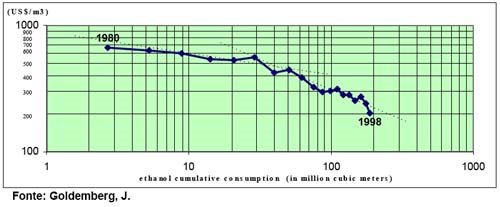
The chart, titled "Learning Curve - The Example of Brazilian Ethanol as a Base for Biofuels", prepared by BNDES, Brazil's federal development bank, shows how ethanol production costs decreased significantly between 1980 and 1998.

Another "inconvenient truth" for those who would deny the economic feasibility of ethanol is that, as our learning curve goes up, the cost of production will come down. That is the documented experience of Brazil as reported by our friend Henrique Oliveira of Ethablog in his article titled LEARNING CURVE: ETHANOL PRODUCTION COSTS DECREASE 75% IN 25 YEARS.

As the chart above shows, between 1980-1998 the price of production went down from nearly $700 to $200 per cubic meter. It is estimated to be 25% of the starting cost today with the trend continuing to go down. Part of the reason is that the rapidly rising consumption created an economy of scale. There were also improvements in technology, logistics, and infrastructure as the industry matured.

This happened without any expansion of the types of feedstock being used. It is expected that the development of cellulosic feedstock conversion technology will enable more plant matter (i.e., corn stover and agricultural waste) to be converted. It will also enable cheaper, uncultivated crops, forestry waste, and urban waste biomass to be used which will further depress the price of production.


technorati , , , , ,

August 8, 2006

U.S. D.O.E. - $2 Billion in Loan Guarantees for Renewable Energy

Finally - some money for new energy technology loan guarantees! On the anniversary of the signing of the Energy Policy Act of 2005 (EPAct), the Department of Energy announced the fulfillment of one authorization of the Act. It is beginning a Federal Loan Guarantee Program seeded with $2 Billion to start.

It should have been more - much, much more - because the writing is on the wall for America. With a record breaking hot summer, electrical blackouts, global warming and electric car exposés, fierce MidEast fighting, nuclear warhead saber-rattling, and the shutdown of the Prudhoe Bay pipeline it is obvious that considerably more than just money is at stake.

$2 Billion (with a B and no zeros) is very timid. After all, Indonesia is investing $22 Billion on Biofuels by 2010. China is planning to spend $175 Billion in the next five years on cleaning up its environment.

Below is part of the press release from the Department of Energy...

------------------

Secretary Bodman Announces $2 Billion Federal Loan Guarantee Program as Part of First Anniversary Celebration of Energy Policy Act

U.S. Department of Energy (DOE) Secretary Samuel W. Bodman today unveiled DOE program guidelines for a total of $2 billion in loan guarantees to help spur investment in projects that employ new energy technologies. Secretary Bodman made the announcement in Baltimore while joining Maryland Governor Robert Ehrlich at a ribbon-cutting ceremony opening Maryland’s first State-owned E-85 fueling facility.

“With these loan guarantees we hope to encourage creativity and ingenuity that will help us strengthen our nation’s energy security,” Secretary Bodman said. “Projects eligible to receive loan guarantees are vast and varied. We hope to spur investment in new renewable energy projects like solar and wind, as well as clean coal technologies and efforts that can convert cellulosic biomass into ethanol.”


The solicitation, which will be issued soon, will govern the first round of loan guarantee applications, valued at a total of $2 billion. In addition over the next several weeks, DOE will propose draft regulations for public comment that will govern future solicitations. The Department views this first round solicitation as a learning opportunity that will assist in building expertise before permanent regulations are developed.

Loan guarantees will enable the Department to share some of the financial risks of projects that employ new or significantly improved energy technologies that avoid, reduce, or sequester air pollutants and greenhouse gases. Projects supported by loan guarantees will help fulfill President Bush’s goals to diversifying the United States’ energy sources, while reducing the nation’s reliance on foreign sources of energy and encourage energy efficiency. The loan guarantee program was authorized in Title XVII of the Energy Policy Act of 2005 (EPAct) that President Bush signed into law on August 8, 2005.


technorati , , , , , ,

August 7, 2006

Recycling’s “China Syndrome”

At last month's Southern California Emerging Waste Technologies Forum State Senator David Roberti (ret.) made a statement about the duplicity of state policy on "diversion credits" for specific forms of recycling. I had heard Roberti make a similar statement at a hearing last November but hadn't researched it. Here is what I have learned since...

What are "diversion credits"?

In 1989, Assembly Bill 939, known as the Integrated Waste Management Act was passed because of the increase in California's waste stream and the decrease of its landfill capacity. As a result, the current California Integrated Waste Management Board (CIWMB) was established. A disposal reporting system with CIWMB oversight was created and facility and program planning was implemented.

AB 939 mandates a reduction of waste being disposed: jurisdictions were required to meet diversion goals of 25% by 1995 and 50% by the year 2000. Those that didn't meet these deadlines were liable to receive noncompliance fines. Whether a form of diversion receives credit toward the target or not is based on an ongoing refinement of legal definitions in the state's legislature.

Currently, California municipalities qualify for diversion credits on trash that recyclers ship to the China. China can process waste far less expensively than we can in the U.S. because of cheap labor and their incredibly toxic emissions and health standards. As long as the waste is segregated as recyclable it makes no difference how it is processed afterwards as far as our diversion counting is concerned. Talk about sweeping a problem under the rug!

Even waste China is not asking for, e.g. the e-waste piling up in China’s coastal river valleys, is considered diverted according to our counting methodology. Whether the Chinese dump it or we dump it - it shouldn't receive diversion credit.

Believe it or not, if local municipalities instead opt to build clean CTs - conversion technology facilities using gasification or pyrolysis to significantly reduce the volume of waste to be landfilled while generating green energy and clean fuels - they would NOT receive diversion credit! This in spite of the fact that it would represent an ultimate and environmentally responsible processing of the waste near the source.

Why should facilities that convert waste into heat, electricity, and renewable fuels not earn credits for the municipalities that build them? The answer is that recycling groups are afraid of losing control of any portion of the waste stream - that such credits would create irresistable incentives to municipalities at risk of being fined for non-compliance. Once municipalities gain control of their waste streams, recyclers may get less, or as Scott Smithline of Californians Against Waste (CAW) worded it, "“We are concerned that demand, that hunger for feedstock, is going to pull materials from other traditional recycling uses.”

So the environmental interests are taking second seat to bickering over control of the waste stream. But the duplicity is far worse than that. Consider the trail of the waste that goes to China -

1 - The ships that transport the trash thousands of miles to China spew tons of greenhouse gases from burning bulk fuel (the least refined and most toxic oil-based fuel sold). These emissions into the atmosphere return to California and points in-between.

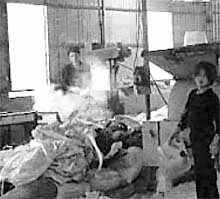
2 - The destinations in China are unregulated, polluting factories that, among other repugnant policies, employ children as sorters within close proximity to toxic ovens that smelt and reform the plastic. Are we so unprincipled that we would ship recyclables to foreign destinations knowing that their low health standards would endanger the workers that handle our trash? Should we credit those shipments for landfill diversion?

3 - Airbourne particulate matter from all unregulated Chinese combustion factories reaches back to the U.S. In a recent article in the San Diego Union Tribune entitled China's growing air pollution reaches American skies, UC/David researchers have evidence that as China consumes more fossil fuels to feed its energy-hungry economy, the U.S. is seeing a sharp increase in trans-Pacific pollution that could affect human health, worsen air quality and alter climate patterns.

4 - Plastic and trash debris from throughout Asia accumulates and returns to North America via Pacific ocean currents. In a story titled Plague of Plastic Chokes the Seas writers for the Los Angeles Times detailed evidence of waste that was accumulating in giant offshore gyres:

The debris can spin for decades in one of a dozen or more gigantic gyres around the globe, only to be spat out and carried by currents to distant lands. The U.N. Environment Program estimates that 46,000 pieces of plastic litter are floating on every square mile of the oceans. About 70% will eventually sink.


The purpose of this article is not to point fingers at the recycling industry. Rather, to insist that the California Integrated Waste Management Board's attempts to modernize California's recycling policies, including diversion credits, receive the full backing and support of the California legislature – which it clearly has not. California not only needs to reduce the source of its waste and expand programs for dealing with more types of waste, but also must update the definition of transformation and conversion technologies so that we can process more waste, more completely while creating "green collar jobs" for our own workers. These are the objectives of AB 2118, currently hung up in negotiation before the California Assembly Natural Resources Committee.

Exporting our waste to poorer countries is unprincipled and uncivilized. Furthermore, CTs represent a new opportunity to significantly expand our recycling efforts, reduce landfill demand, suppress pollution of our atmosphere and oceans, reduce greenhouse gases, and create new energy resources to help meet the electricity and fuel needs of future generations both here and abroad.


technorati , , , , , , ,

August 6, 2006

BioConversion Stakeholders’ Gallery

A new feature of this blog is the BioConversion Stakeholders’ Gallery - a listing of prominent conversion technology stakeholders who are making their opinions known about CTs at conferences.

-------------------

This is a listing of speakers at the Southern California Emerging Waste Technologies Forum held at UCLA on July 27, 2006. Almost all are in favor of RENEW L.A. and advancing R&D and deployment of CTs in California. More biographical details are available by clicking on their links.

Richard Alarcon - CA State Senator

Cynthia Babich – Del Amo Action Committee
Nicole Bernson - City of Los Angeles Councilman Smith, Sr. Policy Advisor, RENEW L.A.
Fernando Berton - California Integrated Waste Management Board
Susan Brown - California Energy Commission
Julie Butcher – General Manager, SEIU Local 347

Karen Coca - L.A. City Bureau of Sanitation

Vijay Dhir - UCLA  School of Engineering Dean

Evan Edgar – California Refuse Removal Council

Brendan Huffman – Valley Industry and Commerce Association

Dan Jacobson – Environment California

James Liao - UCLA Vice Chair of Chemical and Biomolecular

Ellen Mackey – East Valley Coalition
Vasilios Manousiouthakis - UCLA Chair of Chemical and Biomolecular Engineering
Dr. Kay Martin – BioEnergy Producers’ Association
Rhonda Mills – Center for Energy Efficiency and Renewable Technologies
Cindy Montanez - CA Assembly Member
Mark Murray – Californians Against Waste

Randall Neudeck - Board of Directors, Valley Industry and Commerce

Romel Pascual - L.A. Mayor's Office, Associate Director for Environment
Cheryl Peace - Board Member, California Integrated Waste Management Board
Roberto Peccei - UCLA Vice Chancellor for Research

David Roberti - CA State Senator (Ret.), BioEnergy Producers’ Association
Rita Robinson – Los Angeles Bureau of Sanitation

Ron Saldana - Los Angeles County Disposal Association
Greig Smith - City of Los Angeles Councilman
Coby Skye - Los Angeles County Department of Public Works
Nancy Sutley - Los Angeles Deputy Mayor for Energy and the Environment

Eugene Tseng - UCLA Extension, Recycling and MSW Management Certificate Program
Charles Tupac – Southern California Air Quality Management District

Lee Wallach – The Coalition on the Environment and Jewish Life of Southern California
William Welch – University of California, Riverside
Jane Williams – California Communities Against Toxics

Yair Zadik - Arrow Ecology


technorati , , , , , , , , ,

August 4, 2006

CALIFORNIA: Identifying the New Environmentalists

There is a battle raging in the halls of Sacramento over the future of waste disposal in California. In many ways identification of the true guardians of waste disposal environmentalism is being brought into question.

The crux of the debate concerns overdue changes in state regulations defining "conversion technologies" (CTs) and their place in the current waste hierarchy. The outcome of the struggle will determine whether the environmental movement to recycle the state's growing waste problem will stall or move forward. At stake are a myriad of growing public concerns - not only waste disposal but also landfill availability, global warming, gas prices, ground pollution, air pollution, electricity generation, ethanol production, environmental justice, employment, and war-related oil dependency.

On one side are "old guard" idealists of established recycling and emissions watchdog organizations and their non-scientific supporters who have built the recycling infrastructure that exists today. As much progress as has been achieved to date, recycling has only managed to handle the growth of trash in the state and has failed to divert the original volume it was set up to reduce.

On the other side are "new guard" professional environmentalists from the scientific community, universities, government boards, utilities, and industry who have been actively involved in identifying, developing, and testing new CTs. These renewable bioenergy alternatives will significantly extend the amount of waste biomass that can be recycled.

Regrettably, the idealists have become the obstructive establishment that needs to open their eyes to new CTs (like gasification and pyrolysis) and the clearcut evidence of the innovation’s problem-solving potential and emissions-free performance. In their arguments, they insist that CTs conform to standards much more stringent than those established by the Air Quality Management District. When the positive test results are provided, the data is not challenged - it is ignored - frustrating the communication process.

As Ed Begley, Jr. wrote in November, 2005 in a letter to Assemblymember Loni Hancock of the Assembly Natural Resources Committee:
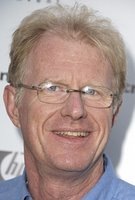
I recognize and applaud my colleagues in the environmental arena for the benefits their efforts and work over these many decades of Earth Days have accomplished. Perhaps the lack of a defining difference between pyrolytic conversion and incineration has clouded the ability of the non-scientific community’s mind to understand the difference.

Please consider comparing the environmental performance of conversion technologies against other methods of recycling, such as smelting plants that are not subject to the same repressive statutory and regulatory restrictions. In addition, consider the economic impact on California’s labor force of exporting recycled materials to China, when they could be put to better use here at home.


In March 2006, a Director of the Bioenergy Producers Association, Paul Relis, wrote an enlightening article for BioCycle magazine tracing the history of recycling and its potential for the future. Mr. Relis has been a chief negotiator in support of CT legislation in Sacramento (AB1090 and AB2118).

Below is the entirety of the article he wrote...

-----------------

Conversion Technologies, Recycling and Renewable Energy subscriber only
by Paul Relis
BioCycle, Vol. 47, No. 3

With the state's recycling rate at over 50 percent but landfilled waste still high, California debates best ways to convert organic residuals into sustainable power - and get support of environmental opponents.

Paul Relis is founding Executive Director of the Community Environmental Council of Santa Barbara, California, and is now President of its Board of Directors. From 1991-1998, he was the Environmental Member of the California Integrated Waste Management Board. In 1998, he became Senior Vice President of CR&R, Inc. - a company which operates transfer stations and MRFs, and is building a green waste composting facility. He has visited conversion facilities worldwide.

THERE is a vigorous debate underway in California over whether or not to encourage the development of conversion technologies (CTs). Conversion technologies refer to systems that can thermochemically (high temperature) or biochemically (low temperature) convert solid wastes now being landfilled into energy, liquid fuels such as ethanol, or chemicals.

The debate has pitted proponents of conversion technologies, mostly very small companies who have spent decades trying to apply specific technologies such as gasification, pyrolysis, and distillation to the management of the solid waste stream against California's major environmental and recycling organizations. Why should there be such a raging debate over CTs in California that has among the most ambitious recycling laws in the nation and progressive renewable energy policy? And why is this debate important to the future of waste and materials management in the U.S.?

The roots of the California debate go back to the mid-1980s when recycling was the long unfulfilled dream of environmentalists and recycling organizations. They were pitted against the incinerator firms, financial institutions and several large local governments such as Los Angeles, San Diego and Contra Costa Counties where proposals were under consideration to build large waste-to-energy facilities that required at least several thousand tons per day of dedicated waste. The facility opponents believed that if these projects were approved, they would doom recycling and foul California's already dirty air.

By the late 1980s, incineration proposals had politically been defeated. The elimination of waste incineration as a disposal option, coupled with a projected landfill crisis in Southern California, caused the California Assembly and Senate to embrace recycling. With the support of California's governor, the nation's most ambitious recycling bill (AB 939) was signed into law in 1989.

This far reaching statute set in motion a multibillion dollar investment in a recycling collection infrastructure - undoubtedly the largest investment by any state in the country. As a result of this investment, California's near 90 percent dependency on landfill in 1990 was reduced by nearly 40 percent by 2005. According to the most recent information from the California Integrated Waste Management Board, the state's diversion rate from landfill is at 50 percent.

While AB 939 extensively promoted recycling, it was also explicitly an antiincineration bill. For the handful of incinerators that existed at the time of its passage, it limited diversion credit for these facilities and discouraged any future development of incineration. It also lumped any technologies even remotely related to incineration, such as pyrolysis and gasification, into the same category as incineration along with distillation. Consequently, for the next 15 years little, if any development of these technologies were undertaken in California.

FACTORS CONVERGE

By 2003, a convergence of factors were beginning to manifest in California that gave rise to taking another look at so called “noncombustion” thermochemical technologies such as gasification. Spiraling energy prices in California spurned on by the Enron debacle and poorly conceived deregulation of the utility industry vastly increased California's expenditures for electricity. By 2004, concerns about global warming along with the reemergence of concerns over landfill capacity, particularly in Southern California, prompted a fresh look at what role CTs might play in California's integrated waste management system.

Responding to these and other considerations, the California Integrated Waste Management Board (CIWMB) was directed by the California legislature to undertake an extensive study of CT and to report back to the legislature on the status of these technologies, their public health impacts and their compatibility or conflict with recycling. The University of California was given a prime contract to evaluate the technical, economic and health impacts of conversion technology while RTI, a private consulting firm, was assigned the task of evaluating what impacts CTs might have on the recycling collection infrastructure.

SEVEN REGIONAL CONVERSION TECHNOLOGY FACILITIES

While these studies were underway, several local governments within the state undertook their own investigations of CTs by soliciting requests for qualifications from conversion technology vendors and subjecting these requests to third party evaluations. Los Angeles commissioned its own independent studies to determine if CTs might help meet its solid waste management needs. In total, more than $3 million have been spent on studies over the past two years to probe CTs' commercial viability, their environmental risks and benefits, and their relationship to continued development of recycling in California.

The Los Angeles study, Evaluation of Alternative Solid Waste Processing Technologies, conducted by URS Corporation, found that with respect to air emissions both thermochemical and biochemical systems are “expected to result in emissions well below regulatory limits.” With respect to life cycle analysis, the study concluded that thermochemical and biochemical conversion technologies could be expected to “create significant energy savings when compared to landfilling. This energy savings results from a combination of syngas and electrical energy production, as well as from materials recovery and recycling.”

According to a recent resource management blueprint for Los Angeles, RENEW L.A., the City of Los Angeles, in spite of its 62 percent diversion rate, still generates 14,000 tons of landfilled waste - enough waste to produce 100-340 megawatts of renewable energy a day or enough electrical power for 100,000 to 300,000 households.

The plan calls for the development of seven regional CT facilities over the next 20 years and argues that these facilities will have the following benefits for the City of Los Angeles:
• Drastic reductions in truck and rail transportation of waste and their associated air quality and traffic congestion impacts;
• Conservation of limited virgin resources;
• Significant reduction in environmental impacts from landfill;
• and Generation of renewable energy.

CONVERSION TECHNOLOGIES COMPLEMENT RECYCLING INFRASTRUCTURE

The findings in the comprehensive study of CTs by the Riverside and Davis campuses of the University of California (UC) are consistent with the L.A. study with respect to environmental benefits, health concerns and renewable energy. In addition, the UC and RTI studies suggest that conversion technologies should complement, rather than conflict with, California's AB 939 recycling infrastructure. This is because most conversion facilities proposed in the state include either front end MRFs to further extract recyclables or extract recyclables within the conversion process itself. Estimates of further extraction of recyclables range from about five to 15 percent and these recyclables would come from the processing of garbage that is not currently being addressed by existing recycling programs. In cities and counties where recycling rates are already at 50 percent or greater, overall recycling rates with conversion technology could range from between the mid-50 percent range to as high as 70 percent.

The UC study found that “CTs provide the potential of converting materials that are currently landfilled into electricity, chemical, or other products such as synthetic diesel and gasoline transportation fuels.” As much as 10 percent of California's electrical demand could be met through the development of CTs. CTs could meet much of California's ethanol demand using currently disposed MSW.

The UC study states that: “Existing data and facilities in locations around the world indicated that conversion technologies can operate within constraints established by regulatory requirements…These factors indicated that it is very likely that conversion technologies with the most advanced environmental controls would be able to meet regulatory requirements in California.”

These findings were based upon extensive information on CTs gathered from around the world, particularly in Europe and Japan where the most conversion facilities exist that have used municipal wastes as a fuel source. Actual emission levels from operating facilities were obtained from government regulators in these countries rather than reliance upon industry sponsored data. In addition, several pilot facilities in the United States provided their data to the UC. Researchers from the UC were allowed to witness the actual emissions testing and review the results.

The UC study concluded that conversion technologies can meet California's regulatory requirements with respect to specific emissions concerns such as dioxins and furans, and that test results suggest that emissions would be many times below the regulatory requirements of the Federal Republic of Germany, Japan, the U.S. EPA and California's South Coast Air Quality Management District.

DEBATE CONTINUES ABOUT MOVING FORWARD

Proponents of CT point to Europe's massive commitment to curbing greenhouse emissions as a rationale for CT development in the U.S. On a personal note, I was in Berlin last winter and visited several thermochemical and biochemical systems in neighboring Brandenburg and Saxony. I met with German officials from the State of Brandenburg and the German Green Party to discuss attitudes towards conversion technologies with respect to global warming, compatibility with recycling and their ability to meet Germany's tough air and other emissions standards. In Germany, and indeed throughout the European Union, global warming is taken much more seriously than in the U.S. Since landfills are a large source of greenhouse gas emissions, the German officials I talked to expressed the position that any system that removes more material from landfill such as recycling, composting and CTs is greatly preferable to continued reliance on landfill.

However, even with these positive findings, many environmental and recycling organizations remain opposed to conversion technology and some are fighting tooth and nail to defeat any proposed facilities. Why is this so? Why would organizations identified with protecting the environment fall on the sword, so to speak, to prevent their use given the comprehensive environmental benefits that the independent studies suggest will ensue from the use of CTs? Answers to these questions from an objective standpoint remain perplexing.

Conditions have changed markedly in California since the state enacted AB 939. Unlike 15 years ago, there are thousands of collection programs for recyclables; hundreds of processing facilities now exist, and they are considered by the state and most local governments to be sacrosanct. At the same time, the state population has grown by nearly more than seven million people and there has been no reduction in per capital waste generation. Disposal remains at nearly 40 million tons, and there is little prospect that recycling programs will grow to significantly impact this figure over the next decade. Meanwhile California faces acute energy shortages in the form of electricity, and it has virtually no in-state sources of ethanol to meet its liquid fuel requirements. Landfills remain one of the largest sources of greenhouse emissions in a state that has an expressed public policy to reduce greenhouse emissions. CTs offer among the few viable means of responding to these critical environmental needs.

In spite of the impartial studies by the state's most esteemed research university, in spite of actual emission test results using post-MRF municipal solid waste (MSW) from California, in spite of the evidence that CTs can contribute significantly to the reduction of greenhouse gases and improve air quality by reducing the transportation of solid waste throughout the state, opposition to CTs by the state's environmental and recycling organizations remains intractable.

At the time of this writing, legislation is being considered that would make conditions for the development of conversion technologies feasible. Negotiations are in progress to try to move this legislation to move forward. Whether these negotiations will prove successful or not, remains to be seen. The outcome will have important implications for the State of California. And to the degree that California is a trend setting state, to the rest of the nation.


technorati , , , , , , ,

August 3, 2006

The Benefits of Conversion Technologies


The Los Angeles City Council hired URS Corporation to make a study, HEALTH IMPACTS OF CONVERSION TECHNOLOGIES IN CALIFORNIA, to identify technologies that would help it reach its landfill diversion goals through conversion technologies. That study was released late last year.

A followup story written by Mr. Predpall has appeared in a recent issue of MSW Management magazine. Within its content is a well-written summary of the benefits of CTs (see below). I have also included his identification of the California opposition to them - which concurs with mine. I highly recommend reading the entire article.

--------------------

The Time Has Come for Conversion Technologies
by Dan Predpall, V.P. of URS Corp.

The benefits offered by CTs have not been publicized well. The benefits of CTs will be brought into public awareness as entities such as the city of Los Angeles and the county of Los Angeles continue to pursue development of CTs as a way to manage disposal of their residual MSW streams.

The key benefits of CTs are:

Increased Recycling. This benefit is not well recognized. The CTs under development today are being designed to process residuals from materials recovery facilities (MRFs) or trash (residuals after source separation).

These residuals still contain considerable amounts of recyclable materials that can be recovered in pre-processing. In addition, materials produced by the conversion units, such as slag and bottom ash, can be recycled. Some question why the operator would want to remove the recyclables from the input stream. The answer is simple: The facility will earn greater revenues by recycling additional metals, glass, and paper than it will by processing this material in the conversion unit, typically with a loss in overall efficiency. Further, “unrecyclable” plastics that would otherwise go to a landfill are excellent feedstocks for CTs.

Generation Of Renewable Energy. Processing MSW residuals to generate energy or green fuels qualifies in most states as a source of renewable energy. In addition, processing MSW to energy qualifies as a renewable energy under Renewable Portfolio Standards and can be used to create renewable energy credits in some states. If about one-third of the residential MSW collected annually in the city of Los Angeles were processed by CTs, about 50 MW of renewable energy could be produced.

Reduced Landfill Impacts. The byproducts created by CTs are typically very small in quantity, and inert. Therefore, the material that cannot be recycled in a CT and must be sent to a landfill will not result in impacts to the environment. The situation is quite different when MSW (or MSW residuals) are landfilled. Even modern landfills impact the environment via release of methane (a greenhouse gas) not captured by landfill gas collection, air emissions from equipment operating the landfill, and leakage through failures of landfill liners.

Offsets To Fossil Fuel Usage. CTs can generate electricity or green fuels by processing MSW. This in turn reduces the amount of fossil fuels needed to supply the energy requirement of a region. Energy savings result when the entire life cycle of the MSW collection and processing system is evaluated, and all of the energy usage and energy production and recycling benefits are considered.

The energy savings can be significant. For example, according to the California Integrated Waste Management BoardÂ’s (CIWMB) CT report to the legislature, energy savings in the Los Angeles region could be equivalent to a 150 MW power plant (this assumes treating about one-third of the total residential MSW collected annually in the City of Los Angeles).

Lower Air Emissions. The use of CTs can result in reductions in emissions of NOx, SOx, and particulates. For example, NOx emissions, which are precursors of smog, acid deposition, and reduced visibility, are primarily the result of fuel combustion processes. Through the use of CTs, NOx emissions can be avoided by displacing combustion activities and electricity production and increasing the recycling of materials.

Using similar data and assumptions as noted above, the NOx emissions avoided by building CTs in Los Angeles would be equivalent to those emitted from a 1,000-MW, gas-fired power plant.

Reduced Carbon Emissions. Carbon emissions contribute to the greenhouse effect, and, therefore, can lead to climate change. Carbon emissions result from the combustion of fossil fuels and the degradation of organics. Methane emissions from landfills represent a significant source of carbon emissions, since methane has a global warming potential about 21 times that of CO2. The use of CTs can create offsets for carbon emissions through increased recycling, diversion of organics from landfills, and displacement of fossil fuels.

Based upon data in the CIWMB report to the legislature, processing about one-third of the residential MSW collected annually in Los Angeles would reduce carbon emissions by about 1,000,000 metric tons per year.

The overall benefit of CTs is that of increased environmental sustainability. In general, environmental sustainability involves a number of issues, including:

• Reliance on renewable energy
• Improving environmental quality
• Reducing waste
• Conserving natural resources
• Responsible consumption
• Long-term focus

Therefore, the use of CTs closely complies with the goals of environmental sustainability.

Opposition.

As more CT projects are being proposed, opposition from specific groups is growing. One is the global environmental organization that opposes mass-burn incineration. This group has typically opposed CT implementation on the grounds that CTs are actually “incinerators in disguise”. This is untrue; in fact, there are many significant technological differences between CTs and mass-burn incinerators. Another opposition group is the recycling industry. This industry sees CTs as a threat to its business because it claims that CTs will process all MSW, including recyclables. As mentioned above, this is unlikely because, A.) projects under development are using MSW residuals, and B.) the value of residuals as a recycled material is higher than its value for CT processing.

-------------------

The Los Angeles Bureau of Sanitation just released a detailed assessment of conversion technologies, which can be found at Evaluation of Alternative Solid Waste Processing Technologies .


technorati , , , , , , ,

August 1, 2006

Conversion Technologies are Available Today

I asked Jim Stewart, Chairman of the Board of the BioEnergy Producers Association to comment on the article written by Jamie Shreeve for the MIT Technology Review called Redesigning Life to Make Ethanol that I reviewed last week. The full text of his response is below...

----------------

Jamie Shreeve's article, "Redesigning Life to Make Ethanol," in MIT Technology Review magazine overlooked the potential of producing ethanol from organic waste materials and hydrocarbons. The processes that have achieved this major environmental breakthrough are known as "conversion technologies"--and they are ready for commercialization today. Through the conversion of organic waste materials, ethanol can now be produced for less than one-third of today's national average cost of regular gasoline, even if the federal and state subsidies were phased out.

Conversion technologies can produce ethanol, electricity and other biobased products from such feedstocks as municipal solid waste, sewage sludge, wood waste, green waste, agricultural residues like corn stover, used tires and plastics, as well as hydrocarbons like coal and landfill methane gas. This is a generation beyond the use of purpose-grown cellulosic plant materials, which was the focus of Jamie's article.

It is estimated that 1.5 billion tons of organic waste are generated in the United States each year, not to mention that we have a 300-year supply of coal, which can now be gasified, rather than combusted, to create ethanol and electric energy.

As these technologies use waste products that otherwise would have been placed in landfills and some have the potential to co-produce electricity, they can produce ethanol while consuming zero new BTUs in the process. This makes the current discourse about the energy efficiency of ethanol obsolete. And when organic waste materials are utilized as fuel, these technologies support the natural environmental cycle of CO2 generation and recovery.

Conversion technologies could turn states like New York and California into major exporters, rather than importers, of ethanol. In California, for example, 40 million tons of post-recycled municipal solid waste are placed in landfills each year, and this is expected to grow to near 50 million tons annually by 2025. Theoretically, conversion technologies could annually co-produce some 2.7 billion gallons of ethanol (approximately three times the amount that was imported to California from the Midwest last year) and some 2500 MW of green power--just from the state's post-recycled municipal waste streams--forgetting such other potential fuels as forest thinnings, agricultural residues, sewage sludge, animal wastes, plastics, used tires and manufacturing wastes. California must dispose of 33 million used tires per year, one-third of which are put into landfills.

The concept that today's waste streams can become tomorrow's liquid and electric energy supersedes all other solutions in our quest for energy independence. There is enough organic waste generated in America every year to eliminate our dependence on foreign oil.

James L. Stewart
Chairman of the Board,
BioEnergy Producers Association

Editor's Note: Jim is also VP/Marketing of BRI Energy of Fayetteville, AR - a pioneer in conversion technology.


technorati , , , , , , ,

July 31, 2006

July 2006 Digest

Despite being the world's leading consumer of ethanol (95% of which is imported), California cultivates very little corn. The corn that will be sugar fermented into ethanol at new in-state biorefineries will be trucked in from surrounding states. So the growth of ethanol production in California is dependent on localized deployment of biorefineries whose cellulosic feedstocks include not only agricultural and forestry waste but also unrecycled urban waste.

This sets the stage for the waste stream turf war between the entrenched recycling industry, landfill operators, and the broad-based conversion technology coalition headed by the L.A.-based BioEnergy Producers Association.

Two conferences held in Los Angeles recently provided an inside look at this turf war and are reviewed in a separate section of this month's digest.

Here is a Digest of articles posted on the BioConversion Blog during the month of July, 2006:


REVIEW: Two L.A. Alternative Energy Conferences------------
• The Future of Alternative Fuels in California
• Southern California Emerging Waste Technologies Forum
  
General Topics--------------
• "Super Ethanol" Attracting Investment Attention
• U.S. INFO: Seeking Money to Accelerate Energy Innovation
• U.S. D.O.E.: Roadmap for Developing Cleaner Fuels
• Research Tool for Assessing International Energy Agreements
• Spinning “Gold” Out of Trash
• Could Ethanol Boom Hurt the World's Poor?
• Ethanol Net Energy Balance - A Response to Dr. Pimental
• MIT: Redesigning Life to Make Ethanol

Vehicles-------------------
• Ford Should Build Flexible Fueled, Plug in Hybrids

Around the Nation--------------
• CALIFORNIA: Governor Announces BioEnergy Action Plan
• CALIFORNIA: The Future of Alternative Fuels in CA?

Around the World--------------
• BRAZIL: Impact of the Ethanol Gold Rush
• INDONESIA: $22 Billion on Biofuels by 2010
• ASIA: Linking Asian Climate Change to Energy Future
• EUROPE: Report on Bioenergy and the Environment


technorati , , , , , ,

July 30, 2006

Ford Should Build Flexible Fueled, Plug in Hybrids

From the Ford Bold Moves: Documenting the Future of Ford website comes a point/counterpoint set of two articles soliciting reader opinions on whether Ford should focus its immediate attention on developing flex-fuel, plug-in hybrid technology or fuel cells and hydrogen.

If you read an article posted here April 3, titled Plug-in Partners National PHEV Initiative you'll already know this blog's answer to that question. It is good to read an expert's opinion on the subject. Below are some excerpts:

--------------------------

Ford Should Build Flexible Fueled, Plug in Hybrids
by David Morris

When Ford introduces its flexible fueled Escape hybrid, two-thirds of the technological foundation for an oil free future will be in place. The final piece? Enabling the grid system to recharge the hybrid's batteries.

Today's hybrids reduce gasoline consumption by 25-30 percent. That is a worthy achievement in its own right. But plug-in hybrids could decrease gasoline consumption by 50-80 percent. Why? Because electric motors are inherently more efficient than internal combustion engines, and because only 4 percent of our electricity is generated by oil.

Add an engine powered by biofuels and Ford could virtually eliminate the use of oil in its vehicles.

Biofuels have their own Achilles heel. The planet could grow only enough plant matter to supply 25-30 percent of our transportation energy, no matter what the feedstock.

A plug-in hybrid with a biofueled engine overcomes this shortcoming. Electricity will become the primary propulsion force. The amount of engine fuel can drop by two-thirds, or more. Sufficient land area is available to grow the biomass needed to supply 100 percent of this reduced consumption, without diminishing our food supply.

A flexible fueled, plug-in hybrid strategy could yield dramatic short-term results. The electricity distribution system is in place. The nation has sufficient off-peak electricity capacity to power more than 20 million vehicles without building a single new power plant. Converting a Ford Escape to a plug-in hybrid does not require technological breakthroughs.

Six million flexible fueled cars are currently on the road. The incremental cost to Ford of making a flexible fueled car might be as little as $100. Such a tiny cost should encourage the government to require all new vehicles be flexible fueled starting in 2009.


technorati , , , , , ,